
Nashik Kumbh Mela 2027 — Dates, Amrit Snan Schedule & Everything You Need to Know
Meta Description: Planning your visit to Nashik Kumbh Mela 2027? Get the officially confirmed Amrit Snan dates, full schedule, key locations, and essential tips for India’s next great spiritual gathering.
Focus Keyword: Nashik Kumbh Mela 2027
Once every twelve years, the city of Nashik transforms into one of the most spiritually charged places on earth. Millions of devotees, saints, and curious travelers converge on the banks of the sacred Godavari River for the Nashik Kumbh Mela — also known as Simhastha Kumbh. The next one is in 2027, and if you’ve ever thought about attending, this is your complete guide.
What Is the Nashik Kumbh Mela (Simhastha)?
The Kumbh Mela is one of the world’s largest religious gatherings, held at four sacred locations across India: Prayagraj, Haridwar, Ujjain, and Nashik. The Nashik event is formally called Simhastha Kumbh, a name that comes from the Sanskrit word Simha (Leo), referring to the position of the planet Jupiter. When Jupiter enters the Leo zodiac sign, the waters of the Godavari River are believed to be transformed — spiritually charged with the power to wash away sins and bring the soul closer to moksha (liberation).
What makes Nashik uniquely special is that the Mela takes place across two sacred cities simultaneously — Nashik and Trimbakeshwar — catering to two major spiritual traditions.
Official Nashik Kumbh Mela 2027 Dates
The Maharashtra government officially announced the Nashik Kumbh Mela 2027 schedule, with Chief Minister Devendra Fadnavis presiding over the announcement alongside seers, mahants, and religious authorities.
Key Opening Date
- October 31, 2026 — Simhastha Flag Hoisting (Dhwajaarohan) at Ramkund, Panchavati at 12:02 PM. This marks the official commencement of the holy period.
The Three Amrit Snan Dates (Royal Bathing Days)
These are the most auspicious days of the entire Mela — the dates when millions of pilgrims and the ancient Akhara orders bathe in the Godavari:
| Amrit Snan | Date | Occasion |
|---|---|---|
| First Amrit Snan | August 2, 2027 | Ashadh Somvati Amavasya |
| Second Amrit Snan | August 31, 2027 | Shravan Amavasya (Peak Day) |
| Third Amrit Snan (Nashik) | September 11, 2027 | Vaishnava Akhadas |
| Third Amrit Snan (Trimbakeshwar) | September 12, 2027 | Shaiva Akhadas |
Note: August 31 is expected to be the peak day with the largest crowds. If you plan to attend only one Amrit Snan, this is the most significant — and you should plan accommodation weeks in advance.
Closing Ceremony
- July 24, 2028 — Flag Lowering, marking the formal end of the Simhastha Kumbh Mela.
The entire Mela period stretches across 21 months, offering numerous other Parva Snan (auspicious bathing) dates beyond the three main Amrit Snans.
Two Sacred Locations: Nashik and Trimbakeshwar
Unlike other Kumbh Mela sites, Nashik is divided into two spiritually distinct zones, each serving a different religious tradition.
Nashik — Ramkund, Panchavati
Ramkund is the primary bathing ghat on the Godavari River in Nashik city. It holds deep significance in Hindu mythology — this is where Lord Ram is believed to have bathed during his 14-year exile in the forest. The Vaishnava Akhadas (devotees of Lord Vishnu) perform their Amrit Snan here, to the chants of Jai Shri Ram.
Trimbakeshwar — Kushavarta Kund
Located approximately 30 kilometres from Nashik city, Trimbakeshwar is considered the birthplace of the Godavari River and home to one of India’s twelve Jyotirlingas (sacred shrines of Lord Shiva). The Shaiva Akhadas — including the legendary Naga Sadhus — perform their royal bathing rituals here at the Kushavarta Kund, to the roar of Har Har Mahadev.
If your pilgrimage allows time for both locations, visiting Trimbakeshwar adds an entirely different spiritual dimension to the experience.
What Exactly Happens on Amrit Snan Days?
The Amrit Snan (formerly called Shahi Snan, now officially renamed in line with the Prayagraj Kumbh tradition) is far more than a ritual bath. It is a living, breathing ceremony that connects ancient tradition with millions of living devotees.
Here is how the day typically unfolds:
- Pre-dawn preparations — Akhara camps come alive with the sound of conch shells, drums, and spiritual chanting
- Akhara processions — The great monastic orders march toward the ghat in sequence, mounted on elephants, horses, and decorated chariots, accompanied by musicians
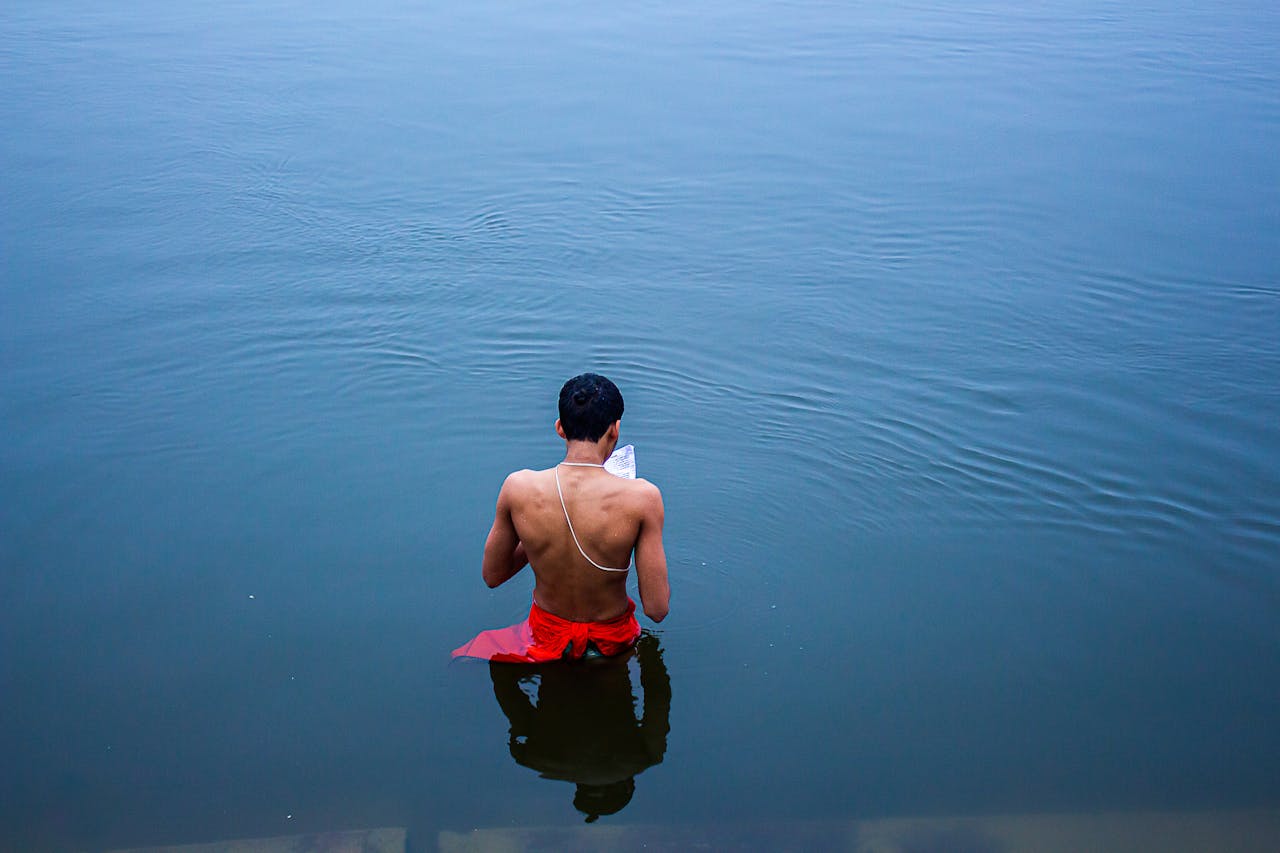
- The sacred dip — Each Akhara enters the water according to a specific, ancient order of precedence, performing the ritual bath with prayers and chanting
- Public bathing opens — After the Akharas complete their bath, the general public enters the river
- Evening aarti — The day closes with the Godavari aarti, a breathtaking lamp-lighting ceremony on the riverbanks
Why 2027 Is a Once-in-a-Lifetime Moment
- The next Nashik Kumbh after 2027 will not occur until 2039
- The Maharashtra government has announced infrastructure investment of over ₹6,000 crore for the event
- An estimated 50 million pilgrims are expected to attend across the Mela period
- A new helicopter pilgrimage circuit is being introduced for the first time, connecting key sacred sites by air
- A dedicated mobile app will provide real-time crowd, accommodation, and ritual information
How to Plan Your Visit
Best Time to Visit
- For the spiritual peak: Attend one of the three Amrit Snan dates — August 2, 31, or September 11/12
- For a calmer experience: Visit on any other auspicious Parva Snan date during July–September 2027. You’ll still experience the full spiritual atmosphere with smaller crowds
Getting to Nashik
- By Road: Nashik is well connected to Mumbai (about 3.5 hours), Pune (about 3 hours), and Aurangabad
- By Train: Several trains connect Nashik Road Station to major cities including Mumbai, Delhi, and Ahmedabad
- By Air: Nashik’s Ozar Airport now operates direct commercial flights, reducing the need to fly into Mumbai first
Accommodation
Book your stay at least 3–6 months in advance for Amrit Snan dates. Options range from established hotels in the city to tent camps, dharamshalas (pilgrim rest houses), and organized Mela camps near the ghats.
A Note on the Name Change
The Maharashtra government officially adopted the term Amrit Snan (Bath of Nectar) in place of Shahi Snan (Royal Bath), aligning with the naming convention used at the recent Prayagraj Kumbh Mela. The new name emphasizes the spiritual essence of the ritual over its royal ceremonial connotations. Both terms refer to the same sacred bathing days.
Final Thoughts
The Nashik Kumbh Mela 2027 is not just an event — it is a convergence of faith, history, astronomy, and human devotion that has continued unbroken for centuries. Whether you come as a devoted pilgrim or an open-hearted traveler, the experience of standing on the banks of the Godavari with millions of fellow souls is one that leaves its mark on you permanently.
The preparations are already underway. The flag has been planted. The sacred calendar is set.
Your journey to Nashik Kumbh 2027 begins now.
Planning your Kumbh visit? Explore our Plan Your Visit guide for accommodation, travel routes, packing lists, and safety tips. Or contact us for a personalized Kumbh pilgrimage package.