

First Time at Kumbh Mela? Here’s Your Complete Survival Guide for Nashik 2027
Meta Description: Attending Nashik Kumbh Mela 2027 for the first time? This complete guide covers what to expect, what to pack, how to stay safe, and how to make the most of your once-in-12-years pilgrimage.
Focus Keyword: first time Kumbh Mela Nashik 2027
Fifty million people. Three sacred bathing days. One river. One ancient belief that has endured for thousands of years.
The Nashik Kumbh Mela 2027 will be the largest spiritual gathering Maharashtra has seen in a generation — and if you’re planning to attend for the first time, this guide is written specifically for you.
The Kumbh is unlike any experience you’ve had before. It is not a festival you watch. It is not a temple you visit. It is an immersion — in water, in faith, in the overwhelming, humbling, occasionally chaotic beauty of collective humanity. And like any immersion, the key to coming out transformed rather than overwhelmed is preparation.
Here is everything a first-time visitor needs to know.
Understanding What You’re Walking Into
Before we get to packing lists, let’s be clear about the scale of this event.
On the main Amrit Snan (sacred bathing) days, millions of people converge on the banks of the Godavari River within hours. The ghats — Ramkund in Nashik and Kushavarta Kund in Trimbakeshwar — become the centre of an organized but enormous spiritual system. There are designated zones, crowd corridors, Akhara procession routes, and buffer areas managed by thousands of police and volunteers.
The single biggest mistake first-time visitors make is treating the Kumbh like a regular temple visit, where you arrive when you like and bathe when you feel ready. The Kumbh operates on ritual time and ritual geography, not personal convenience. Understanding this before you arrive will transform your experience.
Step 1: Choose Your Dates Wisely
The Nashik Kumbh Mela 2027 runs broadly from late July 2027 through September 2027, with the three main Amrit Snan days being:
- August 2, 2027 — First Amrit Snan (Ashadh Somvati Amavasya)
- August 31, 2027 — Second Amrit Snan, the expected peak day
- September 11–12, 2027 — Third Amrit Snan (Nashik and Trimbakeshwar)
For First-Timers: Our Honest Recommendation
If this is your first Kumbh, you have two smart options:
Option A — Go on an Amrit Snan day. This is the full, authentic, once-in-a-lifetime experience. The Akhara processions, the roar of the crowd, the atmosphere of devotion is incomparable. But come prepared for massive crowds, limited movement, and long waits. Arrive the night before or in the very early morning hours (2–3 AM) to get a good position.
Option B — Visit on a quieter Parva Snan day. The Mela runs for months. On non-peak days, you can bathe in the Godavari, explore the ghats, attend the evening aarti, interact with sadhus and saints in their camps, and absorb the spiritual atmosphere — with far less crowd stress. This is often the richer, more personal experience for a first-time visitor.
Step 2: Book Accommodation Early — Very Early
Nashik will face an accommodation crunch unlike anything you’ve seen outside of the Mela years. On Amrit Snan dates, every hotel, dharamshala, and camp within 50 kilometres will be fully booked.
Your accommodation options:
- Hotels in Nashik city — Most comfortable, book 4–6 months in advance for Snan dates
- Dharamshalas (pilgrim rest houses) — Budget-friendly, managed by temples and trusts
- Tent camps / Mela camps — Set up specifically for Kumbh near the ghat areas; basic but immersive
- Staying in Trimbakeshwar — If you prioritize the Shaiva experience, consider staying in Trimbakeshwar rather than Nashik city
Pro tip: If you can’t get accommodation in Nashik itself, consider staying in nearby towns like Igatpuri, Sinnar, or Malegaon, and commuting in. Shuttle services and state transport buses run during the Mela.
Step 3: Know the Layout Before You Arrive
The Nashik Kumbh operates across two primary locations, each with its own sacred geography.
In Nashik: The main bathing area is Ramkund Ghat in the Panchavati neighbourhood. This is where Vaishnava Akharas take their sacred dip. The surrounding area includes Tapovan (a meditation zone on the Godavari banks) and the Panchavati temples associated with Lord Ram’s exile.
In Trimbakeshwar (30 km from Nashik): The sacred bathing site is Kushavarta Kund, believed to be the symbolic origin of the Godavari River. The Shaiva Akharas and Naga Sadhus perform their royal bathing here. The Trimbakeshwar Jyotirlinga temple is adjacent to the kund.
The two sites serve two different communities and the Amrit Snan schedule is staggered between them. Plan which site you want to prioritize — visiting both on the same day during peak Snan periods is not recommended.
Step 4: Pack Smart — The Kumbh Packing List
You will be walking long distances on uneven terrain, potentially in August heat and monsoon humidity. Pack accordingly.
Clothing
- ✅ Light cotton clothes — preferably in white, saffron, or simple colors (culturally appropriate)
- ✅ An extra set of dry clothes to change into after your holy dip
- ✅ A lightweight waterproof jacket or rain poncho (August is monsoon season)
- ✅ Comfortable, closed-toe footwear with good grip — you’ll walk kilometers
- ✅ A small bag or waterproof pouch for your valuables
Essentials
- ✅ Valid photo ID (Aadhaar, passport, or voter ID — carry a physical copy)
- ✅ Small first-aid kit: bandages, antiseptic cream, ORS packets, common medicines
- ✅ Reusable water bottle — drink only bottled or purified water during the Mela
- ✅ Light snacks: dry fruits, energy bars, biscuits
- ✅ Portable phone charger / power bank
- ✅ Cash in small denominations (not all vendors accept digital payments)
- ✅ Whistle or flashlight for emergencies
Leave at Home
- ❌ Expensive jewellery
- ❌ Large bags that slow you down in crowds
- ❌ Leather items (out of respect for the sacred space)
Step 5: Navigate the Crowds Safely
The Kumbh crowd is large but generally orderly. Here is how to move through it safely:
Fix a meeting point before you enter. Mobile networks get severely congested on Amrit Snan days. Decide on a specific, easily identifiable meeting point — a temple gate, a large sign, a police booth — before you separate from your group.
Follow the crowd flow. Do not push against the movement of the crowd. Go with it, find gaps, and be patient. The authorities manage designated entry and exit corridors.
Stay in your zone. The Kumbh is divided into sectors. Moving randomly between sectors increases fatigue and confusion. Follow signage and listen to instructions from police and volunteers.
Respect the Akhara processions. When the great monastic orders march toward the ghat, stay back. These processions have right of way. Watch from the sides, not the middle of the path.
Keep children and elderly close. Assign each child a family member. If traveling with elderly relatives, consider visiting on a non-peak Snan day for their comfort and safety.
Step 6: Experience More Than Just the Bath
The holy dip is the heart of the Kumbh — but the experience is so much richer than that single moment.
Watch the Akhara processions. The sight of Naga Sadhus, ascetics covered in ash, mounted on horses and elephants, with drums and conch shells announcing their passage, is one of the most extraordinary sights in the world.
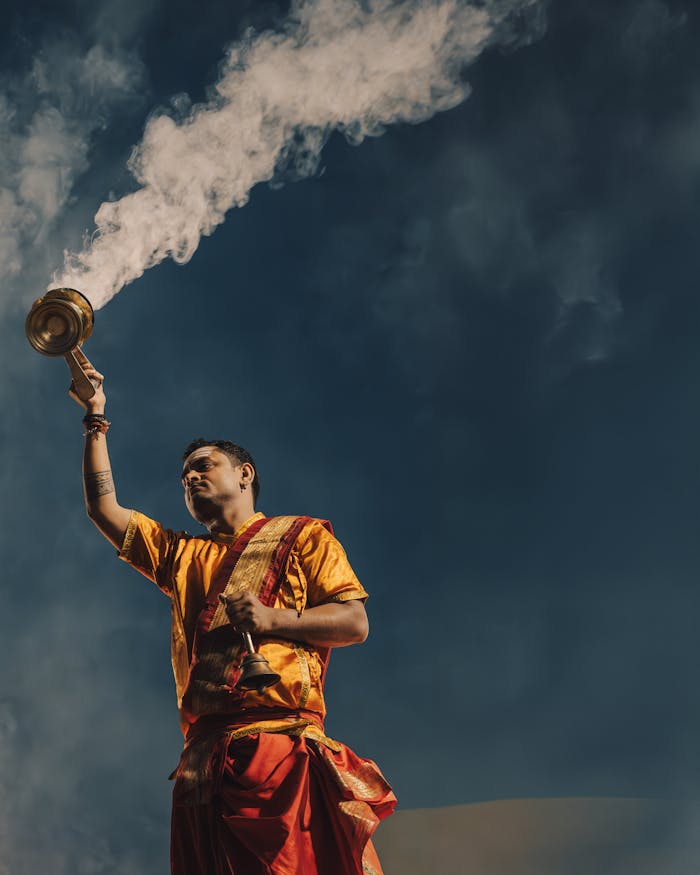
Attend the Godavari aarti. Every evening, priests perform a lamp-lighting ceremony on the Godavari riverbanks. It is deeply moving and much more accessible than the Snan.
Visit the sadhu camps. During the Mela, the camps of various Akharas are open to visitors. Sitting with a saint, hearing a discourse, or simply watching the life of an ascetic unfolds quietly — these are often the memories people carry longest.
Explore Panchavati. This ancient neighbourhood in Nashik is associated with Lord Ram’s forest exile. The Ram Kund, the Sita Gufa, the Kalaram Temple, and the peaceful ghats are worth a visit separately from the Mela crowds.
Visit Trimbakeshwar Temple. Whether or not you attend the Trimbakeshwar Amrit Snan, visiting the Jyotirlinga temple early in the morning for darshan is a spiritual experience in itself.
Step 7: Stay Healthy
The combination of summer heat, monsoon humidity, enormous crowds, and emotional exertion can take a toll. Take care of yourself.
- Drink plenty of water — dehydration is common and dangerous in crowds
- Eat at established stalls or pack your own food; be cautious with street food
- If you feel unwell, locate the nearest medical camp — authorities will have first-aid stations throughout the Mela grounds
- Wear sunscreen and cover your head in the afternoon sun
- Rest whenever possible — the atmosphere is intoxicating and it’s easy to overdo it
The Spirit of It All
Here is what no packing list can prepare you for.
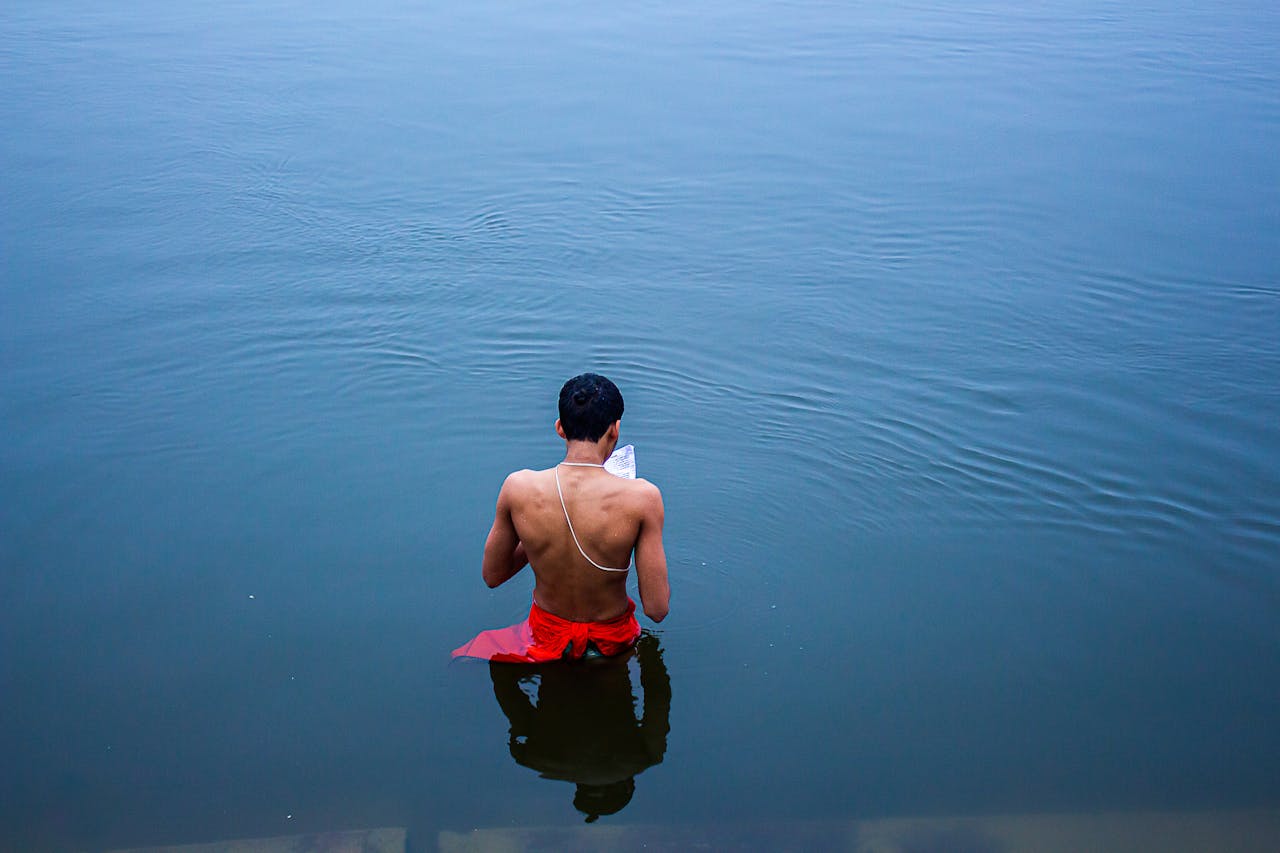
When you step into the Godavari on a Kumbh Mela morning, surrounded by millions of people who have traveled days and weeks for this moment — some elderly, some infants, some sadhus who have renounced the world, some software engineers on weekend leave — the feeling is unlike anything else.
It is not a feeling of being lost in a crowd. It is a feeling of being part of something ancient and ongoing that is larger than yourself. The faith in the air is almost tangible.
Come with patience. Come with openness. Come with comfortable shoes and a charged power bank.
The Godavari will do the rest.
Ready to start planning? Read our complete Nashik Kumbh 2027 dates guide or contact us for help organizing a personalized pilgrimage package.